

European Autobahn Blog

Regular oil changes are one of the most important parts of routine vehicle maintenance. Fresh oil lubricates moving components, contributes to managing heat, and helps the engine achieve optimal efficiency. As oil breaks down, it may no longer provide the protection your engine needs. Following the manufacturer-recommended oil change schedule can help keep your vehicle running reliably and reduce the risk of avoidable engine problems. At European Autobahn, we provide full-service oil changes for European vehicles in greater Miami. Here are four important reasons to stay consistent with your oil changes. Protects Vital Engine Components Your engine contains numerous moving metal components that require proper lubrication to operate smoothly. Fresh oil creates a protective layer between these components, helping reduce friction and wear. Over time, oil can become contaminated and lose some of its effectiveness. Changing the oil according to the recommended schedule helps ensure your engine receives clean lubricant that can continue protecting important internal components. Helps Prevent Engine Overheating Engine oil does more than lubricate moving parts—it also helps carry heat away from areas where temperatures can become extremely high. Old or degraded oil may not circulate and perform as effectively as fresh oil. Maintaining your oil change schedule supports proper lubrication and heat management, which can help reduce unnecessary stress on the engine and complement the cooling system. Improves Engine Performance Degraded oil can make it harder for an engine to operate efficiently. Fresh oil allows internal components to move with less resistance and helps maintain proper engine operation. Keeping up with oil changes can contribute to smoother performance and consistent operation, particularly as your vehicle accumulates higher mileage. Regular maintenance also gives your mechanic an opportunity to identify developing issues during routine service. Reduces the Risk of Major Repairs Skipping oil changes can allow contaminants and degraded oil to circulate through the engine for too long. In severe cases, inadequate lubrication can contribute to accelerated wear and serious mechanical problems. Staying on schedule is a simple way to reduce unnecessary engine stress and address maintenance needs before they develop into more significant concerns. European Auto Maintenance in Miami, FL For expert European auto maintenance in Miami and the surrounding area, contact European Autobahn at (305) 262-9445 . Feel free to give us a call to schedule an appointment!

European vehicles are known for their engineering and advanced technology, but their sophisticated cooling systems still require regular maintenance. An overheating engine can quickly turn a minor mechanical problem into an expensive repair if the underlying issue isn't addressed promptly. Whether you drive a BMW, Mercedes, Audi, or another European model, understanding common causes of overheating can help you recognize trouble early and protect your engine from serious damage. At European Autobahn, we provide expert European cooling system repair in the greater Miami area. Here are four common sources of overheating in European vehicles. Low or Leaking Coolant Coolant plays a critical role in absorbing heat from the engine and carrying it to the radiator. European vehicles may develop coolant leaks from hoses, radiators, water pumps, seals, or other components. If the coolant level becomes too low, the system may not be able to regulate engine temperature properly. If you frequently need to add coolant, have the system inspected rather than simply continuing to refill it. Thermostat Problems The thermostat regulates coolant flow and helps the engine reach and maintain its proper operating temperature. If the thermostat becomes stuck closed, coolant may not circulate through the radiator effectively, causing the engine to overheat. Temperature fluctuations or an engine that consistently runs hotter than normal may indicate a thermostat problem. Water Pump Failure The water pump is responsible for circulating coolant throughout the engine and cooling system. A failing pump may not move coolant effectively, allowing temperatures to rise. Depending on the vehicle, water pump problems can involve worn internal components, leaks, damaged impellers, or other mechanical issues. Unusual noises, coolant leaks, and temperature changes can all warrant a professional inspection. Radiator or Cooling Fan Issues The radiator releases heat from the coolant, while cooling fans provide necessary airflow when conditions require it. A clogged or damaged radiator may not dissipate heat efficiently. And a failed fan motor can reduce airflow through the radiator. These problems may become especially noticeable when the vehicle is sitting in traffic. European Cooling System Repair in Miami, FL For expert European auto repair in Miami and the surrounding area, contact European Autobahn at (305) 262-9445 . At our nearby European auto shop, we can thoroughly address your Euro car’s repair and maintenance needs. Feel free to give us a call to schedule an appointment for European car care in greater Miami!

Few dashboard warnings cause as much concern as the check engine light. Whether you drive a BMW, Mercedes, Audi, Volkswagen, Volvo, or Porsche, this warning indicates that your vehicle's onboard computer has detected a problem that needs attention. Sometimes the issue is relatively minor, while other times it can signal a more serious mechanical concern. Because European vehicles feature advanced engineering and sophisticated electronics, it's important to have the problem diagnosed by an experienced technician. At European Autobahn, we provide expert check engine light diagnostics and repair for European cars in greater Miami. Here are four common reasons the check engine light comes on in European vehicles. Faulty Oxygen Sensor Oxygen sensors monitor the amount of oxygen in the exhaust stream and help the engine control module adjust the air-fuel mixture for optimal performance and fuel-efficiency. Over time, oxygen sensors can wear out or become contaminated, causing inaccurate readings. When this happens, the check engine light may illuminate, and you might notice reduced fuel-economy, rough engine performance, or increased emissions. Replacing a faulty oxygen sensor can restore proper engine operation. Ignition Coil or Spark Plug Problems Many European vehicles use high-performance ignition systems that rely on properly functioning ignition coils and spark plugs. As these components age, they can cause engine misfires that trigger the check engine light. Symptoms often include rough idling, hesitation during acceleration, reduced power, and poor fuel-economy. Prompt replacement of worn ignition components helps keep the engine running smoothly. Failing Mass Air Flow Sensor The mass air flow (MAF) sensor measures the amount of air entering the engine so the computer can deliver the correct amount of fuel. If the sensor becomes dirty or fails, the engine may run too rich or too lean, causing drivability problems and triggering the check engine light. Common symptoms include sluggish acceleration, hesitation, rough idle, and decreased fuel-efficiency. Cleaning or replacing the sensor often resolves the issue. Emissions System Problems European vehicles are equipped with sophisticated emissions control systems that include components such as the EVAP system, catalytic converter, and exhaust gas recirculation (EGR) system on certain models. Problems with these components can trigger the check engine light even if the vehicle seems to drive normally. Because emissions systems are closely monitored by the engine computer, professional diagnostics are essential for identifying the exact cause of the warning. European Check Engine Light Repair in Miami, FL For expert European auto repair in Miami and the surrounding area, contact European Autobahn at (305) 262-9445 . Feel free to give us a call to schedule an appointment!

Learn to spot signs of cooling system issues in your European vehicle. Act now to avoid costly repairs. Trust European Autobahn for expert service.

Learn the warning signs of alternator failure in European vehicles. Contact us for expert repair services at European Autobahn in Miami.

Learn 4 ways to prevent major engine repairs for your European vehicle. Contact European Autobahn for expert maintenance today!
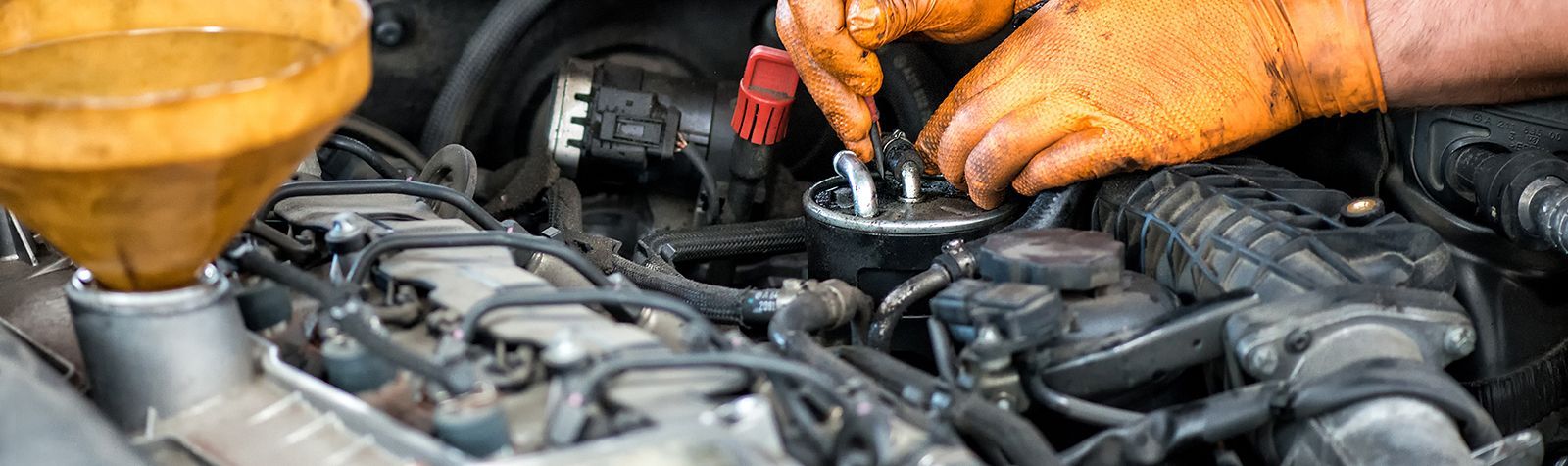
Get answers to common questions about European fuel system repair. Trust our experts for your BMW, Mercedes, or Audi needs.
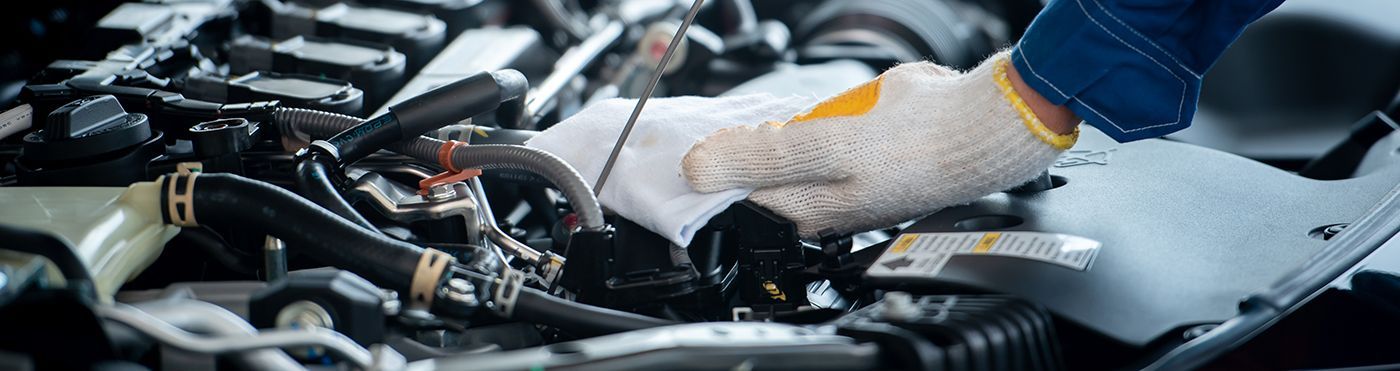
Prepare your vehicle for a road trip with 5 essential tips. Ensure safety & reliability. Contact European Autobahn for expert maintenance!
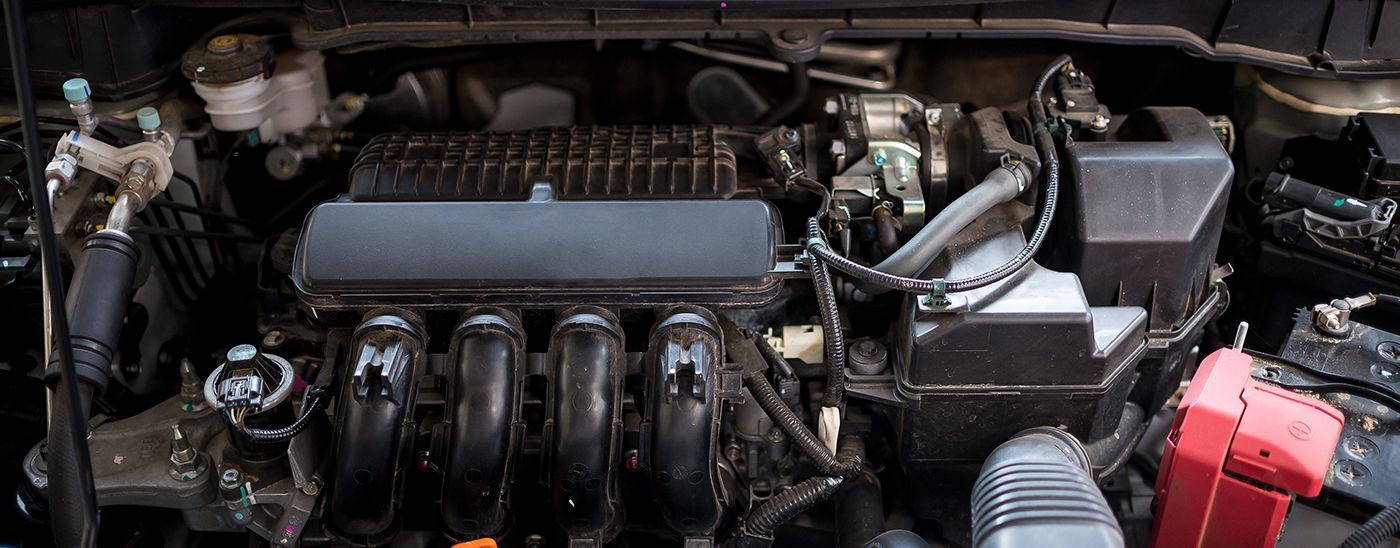
Get answers to your check engine light questions. Understand diagnostics & repairs for European cars. Contact us for expert help!

